As the UK housing market shows early signs of recovery, sellers are facing a new challenge – competition.
While house prices are stabilising and buyer confidence is gradually returning, the number of homes for sale is at its highest level for this time of year in more than a decade. With more choice available, buyers are becoming increasingly selective – and the kitchen is often where decisions are made.
According to Will Frankling, Co-founder of Kitchen Makeovers, homeowners preparing to sell need to think strategically.
“Gone are the days of listing high and hoping for the best,” said Will. “Buyers have more options, mortgage affordability is still a consideration, and people are far more aware of renovation costs. If your kitchen looks like a project, they will factor that into their offer – or move on entirely.”
So, what actually adds value – and what do estate agents notice immediately?
1. Smart storage that keeps surfaces clear
Clutter is one of the biggest turn-offs for buyers viewing a property.
“The modern buyer wants what we call the ‘invisible kitchen’,” explained Will. “They want to see clear worktops and smart storage solutions that hide everyday appliances.”
Pull-out larders, deep drawers with internal dividers and appliance cupboards that conceal kettles and coffee machines are all highly desirable features. Walk-in pantries, where space allows, are increasingly seen as a premium addition.
“If buyers can instantly see there’s enough storage, that removes one of their biggest concerns straight away.”
2. A multi-functional island
The kitchen island continues to dominate wish lists but it has evolved.
“It’s no longer just extra worktop space,” said Will. “Buyers see the island as the social hub – somewhere for casual dining, homework, working from home and entertaining.”
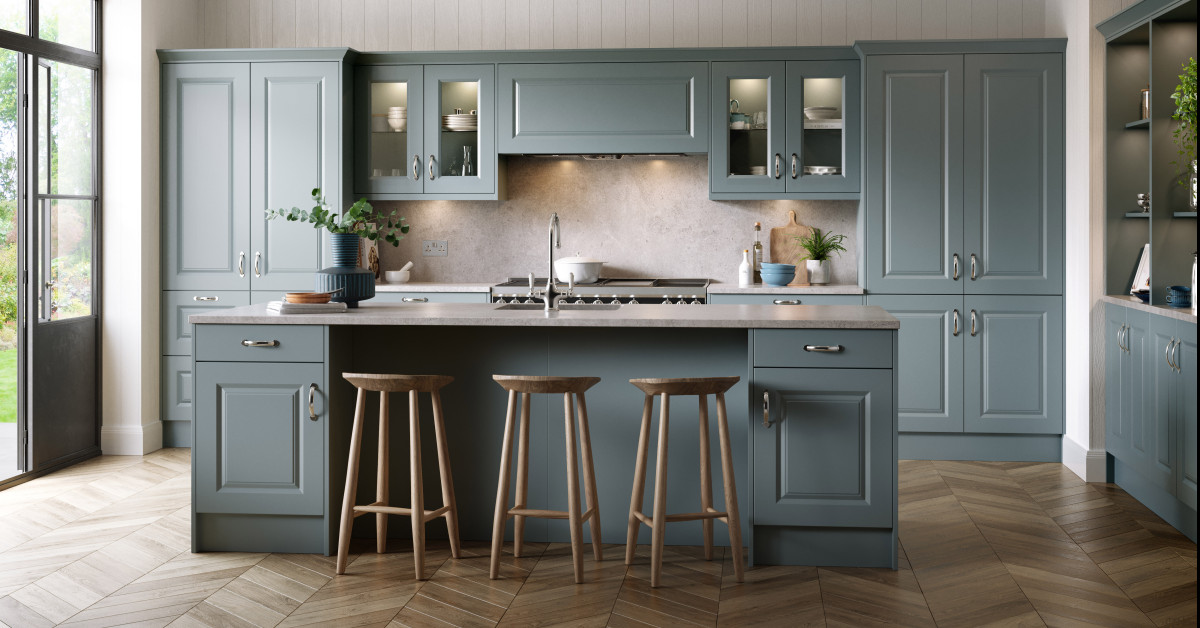
Oversized islands with seating for four or more are particularly attractive. Integrated power sockets, wine fridges and prep sinks can add further appeal. For a sleek finish, waterfall-edge worktops in quartz or porcelain help create a high-end feel without overwhelming the space.
“In competitive markets, a well-designed island can absolutely tip a buyer from interested to emotionally invested.”
3. Warm minimalism over clinical white
All-white kitchens are no longer the automatic safe choice.
“We’re seeing a shift towards warm minimalism,” said Will. “That means softer off-whites, cream, cashmere tones and earthy colours like taupe or mushroom.”
Natural wood tones such as oak and walnut are also making a strong comeback, whether across cabinetry or as a feature on an island. Slim-frame shaker doors offer a balanced look that feels both classic and current.
“If you’re investing before selling, stick to warm neutrals for the expensive elements like cabinets and worktops. Trends like handles and paint colours are easier for buyers to personalise later.”
4. Durable, low-maintenance worktops
Estate agents often report that worn laminate worktops are one of the first things buyers notice.
“Worktops are one of the hardest-working surfaces in the home,” said Will. “If they look tired, buyers assume everything underneath might be tired too.”
Quartz and porcelain remain the preferred materials thanks to their durability and low maintenance. Full-height splashbacks in matching materials can also elevate the overall look without requiring structural changes.
5. Layered lighting – not just the ‘big light’
Poor lighting is one of the top deal breakers in a kitchen.
“A dark kitchen immediately feels smaller and less inviting,” said Will. “Layered lighting makes a huge difference.”
Under-cabinet LED strips for task lighting, statement pendants over islands and subtle plinth lighting help create warmth and depth. In a market where buyers are viewing multiple properties in a day, atmosphere matters.
6. Energy-efficient and space-saving upgrades
With energy costs still front of mind, buyers are paying attention to appliances.
“Induction hobs, energy-efficient integrated appliances and boiling water taps are increasingly seen as must-haves rather than luxuries,” said Will. “They signal that the kitchen has been thoughtfully updated.”
Replacing visibly outdated appliances can prevent buyers from mentally adding thousands onto their renovation budget.
What not to do
While upgrading can boost saleability, over-investing rarely delivers a return.
“You don’t necessarily need a full rip-out,” said Will. “Often, replacing doors, updating worktops and improving lighting can completely transform a kitchen for a fraction of the cost.”
He also warns against moving plumbing or changing layout unnecessarily.
“The more structural changes you make, the harder it is to recoup that investment. In a market where buyers have choice, it’s about presenting a kitchen that feels modern, functional and move-in ready.”
The bottom line
With transaction levels rising and buyer demand improving, 2026 is not a distressed market – but it is a competitive one.
“Buyers are confident enough to move, but they are cautious about overpaying,” said Will. “If your kitchen feels warm, functional and future proof, you remove friction from the decision-making process.”
“In a crowded market, that can be the difference between achieving your asking price and sitting on the market for months.”
For more advice and tips, visit: www.kitchenmakeovers.co.uk
Kitchen upgrades that add the most value in 2026 – the changes estate agents actually notice
By Caitlin Lunk | 24th February, 2026
Kitchen Makeovers

We offer a cost-effective and reliable kitchen renovation service that will transform your home. We specialise in modernising kitchens, so you can be sure to get high-quality workmanship at an affordable price!